Gisela Werner · 2 September 2026
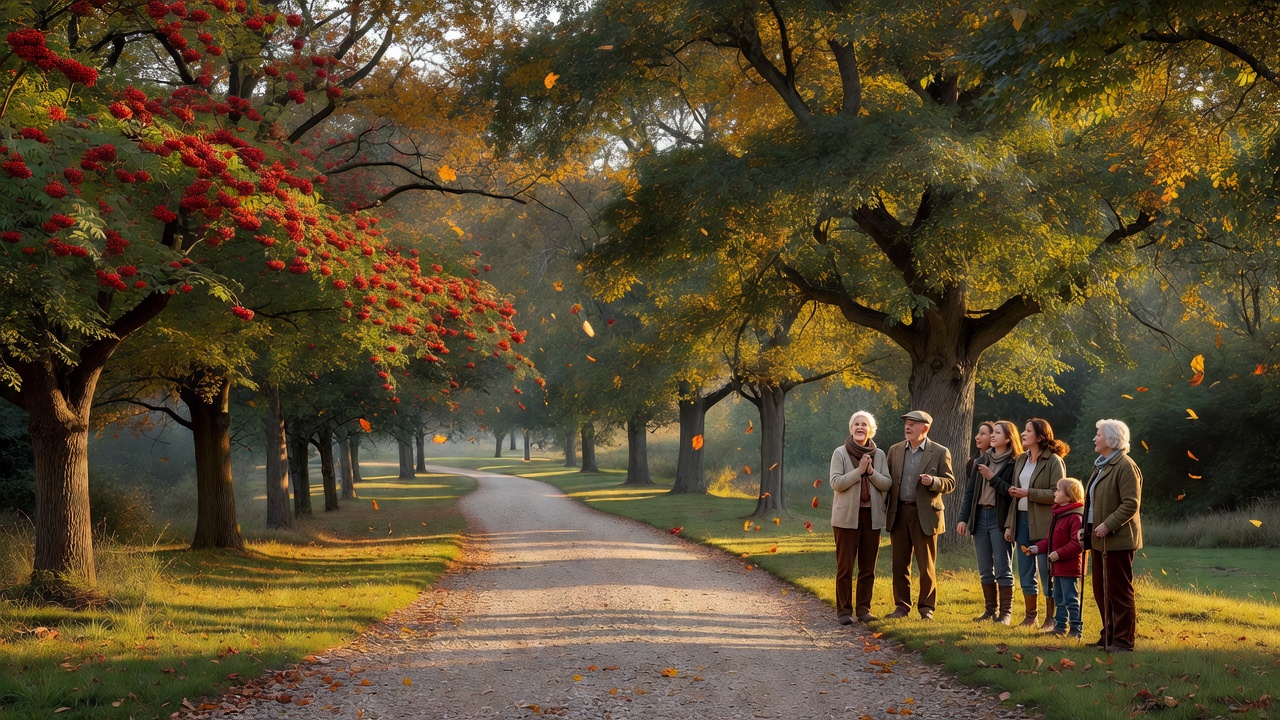
The Rowan Elm Grove in rural Oxfordshire has been granted protected status following an extensive campaign by local residents and heritage groups. The decision was announced by the Department for Environment, Food and Rural Affairs this week, marking a significant victory for conservation efforts in the region. The grove spans approximately 25 acres and includes a mix of native trees that have thrived in the British climate for centuries.
Background of the Grove
Rowan Elm Grove is a historic woodland area featuring ancient rowan and elm trees, some dating back over 300 years. The site has long been recognized for its biodiversity, supporting rare species of birds, insects, and flora unique to British heritage landscapes. Local historians note that the grove has cultural significance, mentioned in 18th-century records as a gathering place for community events. The trees themselves are emblematic of traditional English countryside aesthetics celebrated in literature and art.
The campaign began two years ago when plans for development threatened the area. Residents formed the Rowan Elm Preservation Society, collecting over 5,000 signatures and presenting evidence to local councils and national bodies. Public meetings drew hundreds of attendees, underscoring widespread support for preservation.
Impact and Future Plans
With protected status, the grove will now be preserved under strict regulations preventing any commercial development. Experts believe this will enhance ecological research opportunities and promote educational visits. The designation aligns with broader efforts to protect Britain's natural heritage sites amid climate change concerns. Conservationists are optimistic about the long-term survival of the ecosystem.
Community leaders expressed relief and gratitude. This outcome demonstrates the power of collective action, said society chair Eleanor Whitfield. Additional funding has been allocated for maintenance and public access improvements without compromising the natural environment. The society plans to continue its monitoring activities.
Further studies are planned to monitor the health of the elm trees, which have faced disease threats in recent decades. The protected status also opens avenues for grants aimed at restoring native species and enhancing habitats for wildlife. Local schools are being invited to participate in citizen science projects.
The protected status comes as part of a national initiative to safeguard ancient woodlands. Similar campaigns have succeeded in other counties, setting precedents for legal protections. Environmental assessments conducted last year highlighted the grove's role in carbon sequestration and soil preservation.
Volunteers have been instrumental in documenting the site's features, including mapping tree ages and cataloging species. Their reports were pivotal in the approval process. The local authority has committed to annual reviews of the protection measures to ensure ongoing compliance and effectiveness.